
Disaster Preparedness: How Measurement Science Can Help Your Community
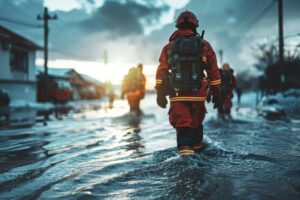
Emergency services responding to a natural disaster
NIST economist Christina Gore uses personal experiences with hurricanes, floods, and economic shocks to explain what “community resilience” looks like in practice and how data can help local leaders prepare for disasters. In her NIST “Taking Measure” blog post, she describes resilience as a community’s ability to respond to and recover from disruptive events — whether natural hazards like flooding or large-scale job losses when major employers shut down. Because many communities have limited staff and budgets, Gore focuses on building practical tools that help local officials weigh options and plan ahead in a more systematic and transparent way.
One of the tools highlighted is NIST’s Economic Decision Guide Software (EDGe$), which walks users through cost-benefit analysis for resilience investments, such as restoring a frequently flooded stream versus pursuing other mitigation projects. Gore notes that the framework is flexible enough to account for “co-benefits” like environmental and quality-of-life improvements, as well as harder-to-measure factors such as how risk-averse a community is. Her work underscores that disasters are low-probability but high-cost events, and that better measurement science — from valuing co-benefits to quantifying risk preferences — can make tough preparedness decisions more data-driven and easier for officials and residents to understand.
Read the entire article here.