
AI in Manufacturing: What’s Now—and What’s Next?
NIST engineers have introduced five new ways to connect precast concrete components that significantly enhance building resilience. Precast concrete, produced in factories and then assembled on construction sites, streamlines building while helping control quality. However, the joints between these sections traditionally represent vulnerabilities, especially under sudden forces like those from floods, earthquakes, or blasts. The new connection designs address this crucial challenge by improving how forces distribute through a structure to prevent dangerous cascading failures.
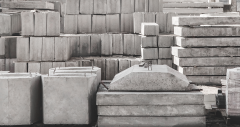
The innovative connectors—ranging from welded plates and bolted brackets to peg-in-hole rod systems—were developed in collaboration with the Precast Concrete Institute and extensively tested with real-scale prototypes. Sensors embedded in test samples verified their superior ability to resist failure and ductile deformation, meaning the structures are less likely to experience unpredictable collapse if a column is damaged. These designs are engineered for ease of manufacture and installation, facilitating adoption by the industry.
These advancements mark an important step forward in protecting buildings and their occupants, providing engineered solutions that balance strength, cost, and construction practicality. By reducing the risk of disproportionate collapse, these connection techniques improve safety outcomes during disasters and support the creation of more durable infrastructure throughout the construction sector.
To read the whole story, please visit: LINK HERE